


Want a Magic 8-Ball on the future of the global marketplace?
Obsess over youth culture.
Welcome in.
At Elume, we've long believed that the biggest shifts in global consumer behavior begin in youth culture — in the way young people discover, embrace, and share the things they love. So this past winter, we went straight to the source.
We invited a dozen (brilliant) college and graduate students from leading universities across the US into our inaugural internship program and gave them one assignment: Tell us what's on the hearts, minds, and screens of youth today.
We called them our Winterns. They brought the hypotheses, ran the research, and drove the analysis. We gave them the strategic framework and methodology, and joined them in the synthesis.
What follows is the 2026 Attention Economy Report — built from the inside out, straight from the heart of youth culture. Designed to help brands navigate the most valuable currency in the world today: consumer attention.
this isn’t an ordinary consulting report.
WE SURVEYED 100 Z/ALPHA CONSUMERS (14-26) TO SEE HOW WE ARE SPENDING OUR MONEY, OUR TIME, AND ATTENTION IN 2026.
OUR REPORTOUR REPORT
Want a Magic 8-Ball on the future of the global marketplace?
Obsess over youth culture.
Welcome in.
At Elume, we've long believed that the biggest shifts in global consumer behavior begin in youth culture — in the way young people discover, embrace, and share the things they love. So this past winter, we went straight to the source.
We invited a dozen (brilliant) college and graduate students from leading universities across the US into our inaugural internship program and gave them one assignment: Tell us what's on the hearts, minds, and screens of youth today.
We called them our Winterns. They brought the hypotheses, ran the research, and drove the analysis. We gave them the strategic framework and methodology, and joined them in the synthesis.
What follows is the 2026 Attention Economy Report — built from the inside out, straight from the heart of youth culture. Designed to help brands navigate the most valuable currency in the world today: consumer attention.

this isn’t a typical study.
WE SURVEYED 100 Z/ALPHA CONSUMERS (14-26) TO SEE HOW WE ARE SPENDING OUR MONEY, OUR TIME, AND ATTENTION IN 2026.

a report from z/alpha about z/alpha and here’s what we had to say…
more than ever,
we crave real, in-person experiences.
we don’t buy because it’s trending. we buy for joy.
we’ve been online our entire lives, it’s all feeling numb.



TL;DR
✦
TL;DR ✦
we don’t buy because it’s trending. we buy for joy.
we’ve been online our entire lives, it’s all feeling numb .
more than ever, we crave real, in-person experiences.
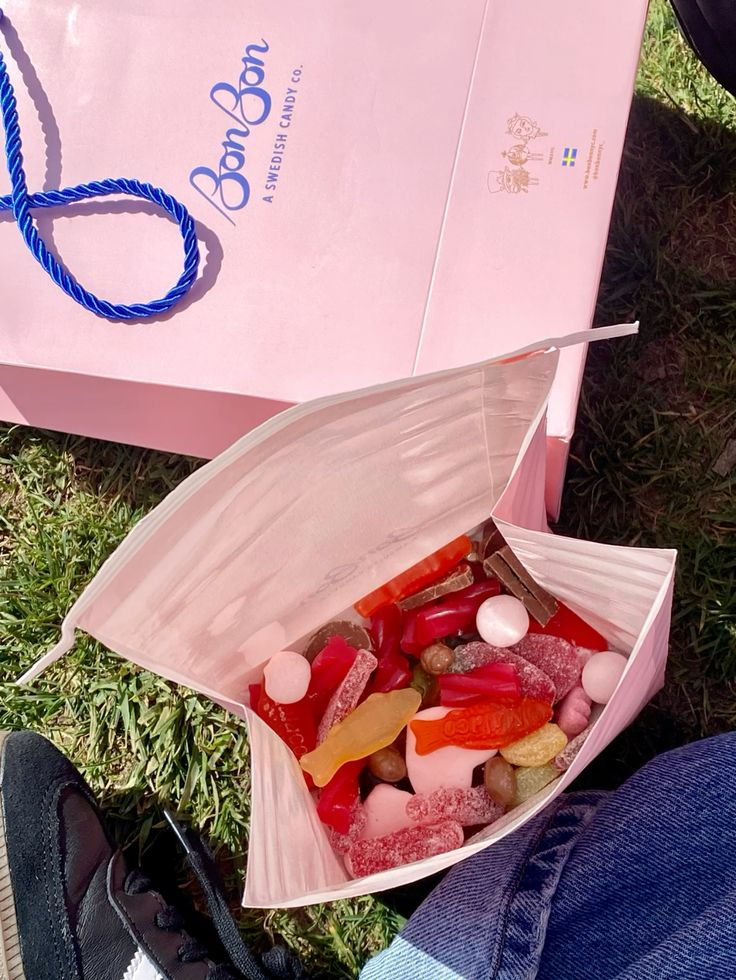
Our purchasing is no longer judged on financial return, but on emotional payoff.
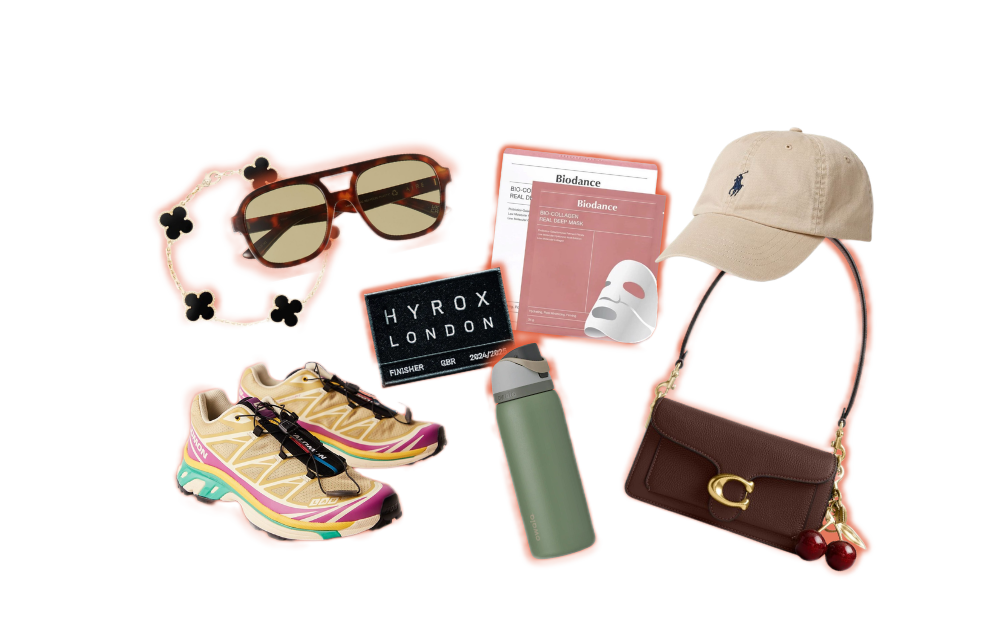
From everyday ‘micro-joys’ like matcha, Pokemon cards, Korean skincare, Jellycats, vintage Levi’s.
To splurges like a vintage luxury handbag (um Fendi Purple Baguette) or a digital camera.
To meaningful experiences like travel for a marathon, sporting events, concert weekends, a beautiful but difficult hike.
Why? It’s not about what the brand, product, purchase says about us.
It’s about what it feels like to have something that fits our world (or niche) so precisely, it feels like a need.
No longer about social signaling status, but about signaling personal taste…and choosing joy.
The value of our spending is shifting from return on investment (ROI) to return on emotion (ROE).
The first generation to grow up in a surplus of everything - information, products, noise - but being the most informed comes with the caveat of knowing too much too soon about the world around us. In an age defined by economic instability, geopolitical tension, and fact overload, we are choosing to focus our attention on what’s within our control: how we feel.
For us, joy is not a reward for value, it is value. When everything is available and most things are good enough, emotional resonance becomes the only meaningful differentiator. The criteria. The bar for everything.
52% say ‘immediate joy or delight’ is a top purchase driver.
Unranked, Multi-Option % Respondents Who Prefer to Spend Across Categories. Health and Wellness includes Beauty & Skincare. Everyday includes Food & Bev, Niche Interests, Media
“if it’s not giving joy, why would I buy?”
WE'RE NOT MINDLESSLY DOOMSCROLLING, WE'RE THE MOST INFORMED & DELIBERATE AUDIENCE MICRO AND MACRO JOYS Z/ALPHA PREFER TO SPEND ON 
— XAREE, 22
“if it’s not giving joy, why would I buy?”
WE’RE NOT MINDLESSLY DOOMSCROLLING, WE’RE THE MOST INFORMED & DELIBERATE AUDIENCE The first generation to grow up in a surplus of everything - information, products, noise - but being the most informed comes with the caveat of knowing too much too soon about the world around us. In an age defined by economic instability, geopolitical tension, and fact overload, we are choosing to focus our attention on what’s within our control: how we feel.
For us, joy is not a reward for value, it is value. When everything is available and most things are good enough, emotional resonance becomes the only meaningful differentiator. The criteria. The bar for everything.

52% say ‘immediate joy or delight’ is a top purchase driver.
MICRO AND MACRO JOYS Z/ALPHA PREFER TO SPEND ON 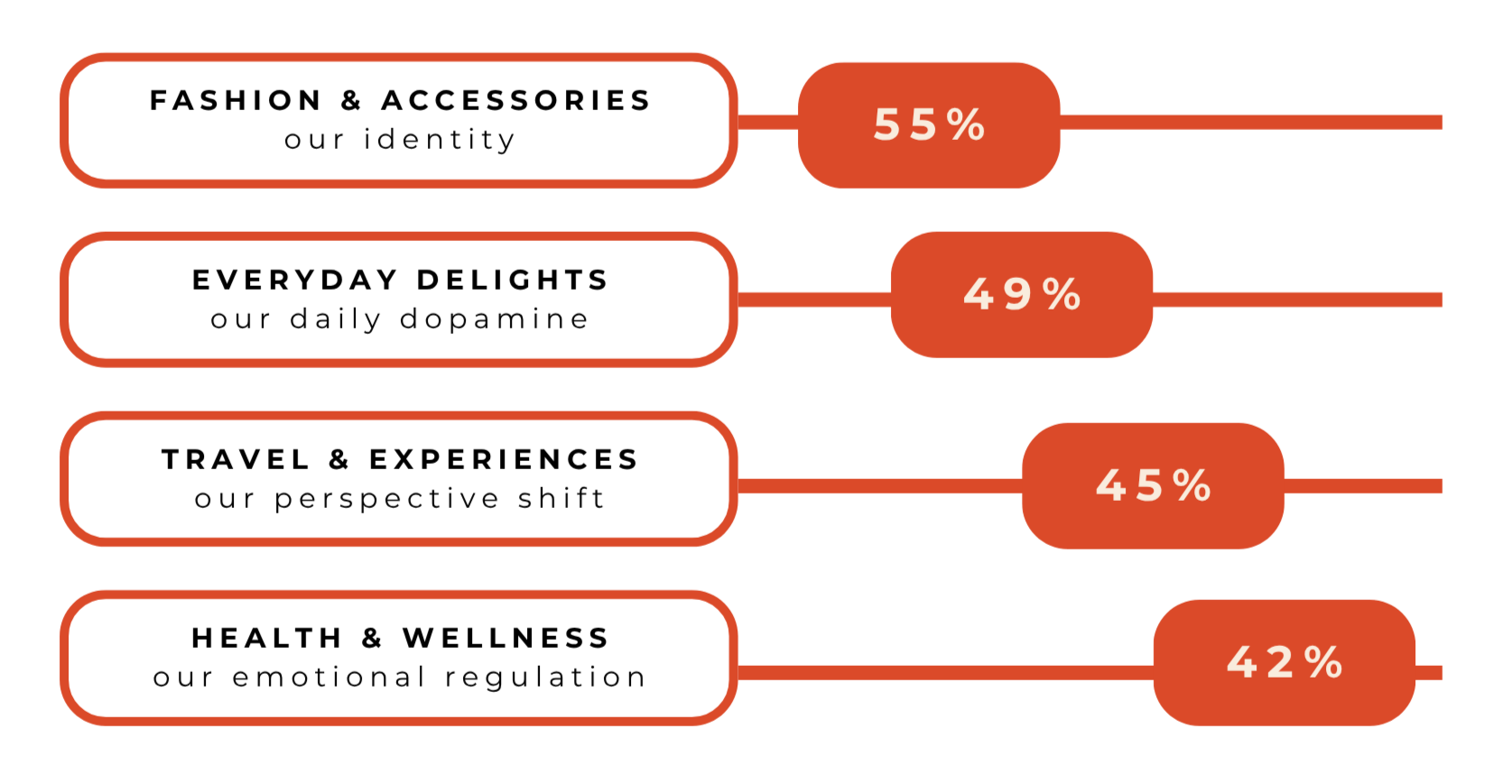
Our purchasing is no longer judged on financial return, but on emotional payoff. From everyday ‘micro-joys’ like matcha, Pokemon cards, Korean skincare, Jellycats, vintage Levi’s. To splurges like a vintage luxury handbag (um hello Fendi Purple Baguette) or a digital camera. To meaningful experiences like travel for a marathon, sporting events, concert weekends, a beautiful, but difficult hike.
Why? It’s not about what the brand, product, purchase says about us. It’s about what it feels like to have something that fits our world (or niche) so precisely, it feels like a need. No longer about social signaling status, but about signaling personal taste…and choosing joy.
The value of our spending is shifting from return on investment (ROI) to return on emotion (ROE).

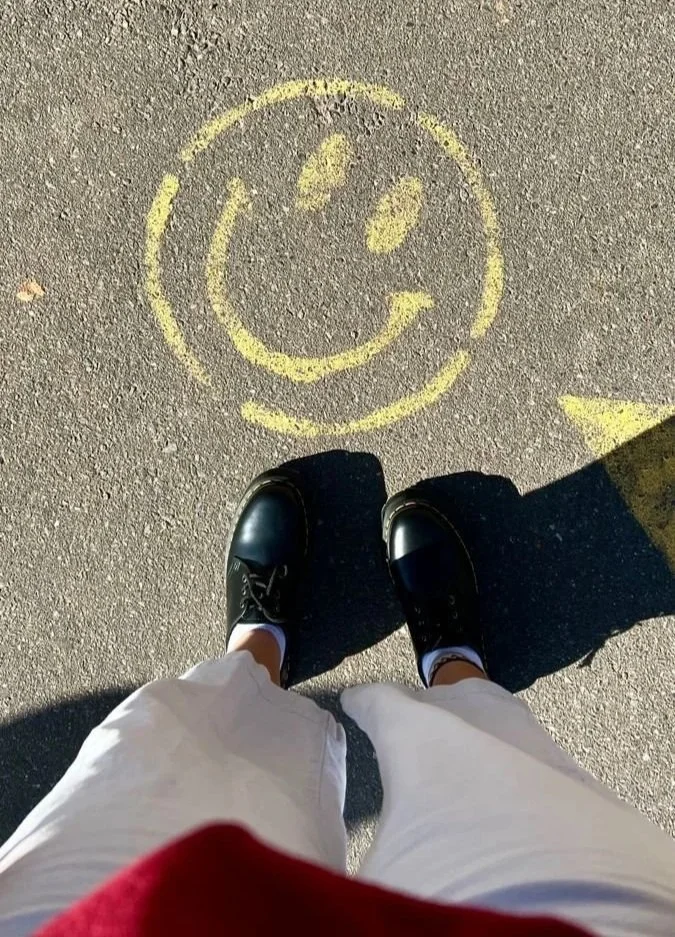
“What’s trending are things that make you feel good and forget the state of the world.”
— XAREE, 22
“What’s trending are things that make you feel good and forget the state of the world.”


over half say ‘immediate joy or delight’ is a top purchase driver.
Having grown up in the digital ad age, we’ve developed a built-in sensor for detecting what’s organic, real, and worth our attention. We know what a paid partnership looks like. What an algorithm-optimized caption sounds like. We feel that ad frequency is more about your content calendar and less about trying to create an engaging relationship with us.
We aren’t opting out of advertising, we’re just over being treated like a demographic with a wallet.
What we trust instead? Discovery that feels un-engineered. A product we encountered because someone we actually respect uses it. A feed that resembles the charm of Main Street.
Real, un-replicated stories.
Relatability over performance, every time.
As brands continue to shift their strategy to creator-told promotion, they’re not just lending their influence, they’re diluting it. We don’t need 10+ people telling us that your product is the best out there, we want to feel like the first one to know it is.
Being real and authentic is more important to us than ever before. A brand that feels manufactured, optimized, or performing can’t produce the genuine joy we’re looking for - only the simulation of it.
We’re not against digital ads, we’re numb to them. The saturation of our entire lives has produced something more damaging than distrust: indifference.
85% are exhausted by trend culture - leading to over half identifying as ‘passive online observers.’
our digital attention is shrinking, is your brand fighting to keep it?
“I come on to social media to get entertainment and enjoy myself, not to be sold something.”
— HUDSON, 15
WE'RE NOT DISENGAGED, WE'RE ACTIVELY CHOOSING WHAT'S WORTH OUR ATTENTION.“Anything I see AI involved in, I skip it. It doesn’t matter, I skip it.”
— SAMAIYA, 22
“Anything I see AI involved in, I skip it. It doesn’t matter, I skip it.”
— SAMAIYA, 22
“I come on to social media to get entertainment and enjoy myself, not to be sold something.”
— HUDSON, 15
our digital attention is shrinking, is your brand fighting to keep it?
WE’RE NOT DISENGAGED, WE’RE ACTIVELY CHOOSING WHAT’S WORTH OUR ATTENTION.Having grown up in the ad age, we’ve developed a built-in sensor for detecting what’s organic, real, and worth our attention. We know what a paid partnership looks like. What an algorithm-optimized caption sounds like. We feel that ad frequency is more about your content calendar and less about trying to create an engaging relationship with us.
We aren’t opting out of advertising, we’re just over being treated like a demographic with a wallet.
What we trust instead? Discovery that feels un-engineered. A product we encountered because someone we actually respect uses it. A feed that resembles the charm of Main Street.
Real, un-replicated stories.
Relatability over performance, every time.
85% are exhausted by trend culture - leading to over half identifying as ‘passive online observers.’

We’re not against digital ads, we’re numb to them. The saturation of our entire lives has produced something more damaging than distrust: indifference.
As brands continue to shift their strategy to creator-told promotion, they’re not just lending their influence, they’re diluting it. We don’t need 100x people telling us that your product is the best out there, we want to feel like the first one to know it is.
Being real and authentic is more important to us than ever before. A brand that feels manufactured, optimized, or performing can’t produce the genuine joy we’re looking for - only the simulation of it.



Because our digital lives are so saturated, the ‘real world’ feels luxurious. We want to touch the fabric, smell the air, and exist in spaces with people that share our passions.
In-person shopping, third spaces, and experiences have never felt more essential - offering moments of human connection that AI and our algorithms cannot replicate. In-person turns the noise off. It adds to our memory bank. We can remember the smell of a specific store, the light through the window, and the song that made us want to linger longer. Reality has a quality that no amount of digital polish or AI can match. And trust us, we know the difference.
Make no mistake, we won’t abandon our feeds. But now, we want our digital diet to feed us inspiration while the real meal is served offline.
The truth is, we’re not coming to seek out brands. We’re looking for multi-sensory experiences first. And we want to be invited in. If your brand can create an environment that we feel compelled to live in, you’re giving us way more value than the product you’re selling: you’re giving us belonging.
“It can be lonely in such a connected world. People just want to find ways to bond like through yoga, run clubs, pickleball. People just want to feel part of something.”
— MIA, 21
if brands are only inviting us to be part of their world through our screens, they’ll miss out on us entirely.
75% would sacrifice ‘comfort’ and‘convenience’ to have a truly unique experience
what do we crave most? genuine connections.
THE 'LONELY GENERATION' IS TIRED OF BEING LONELY 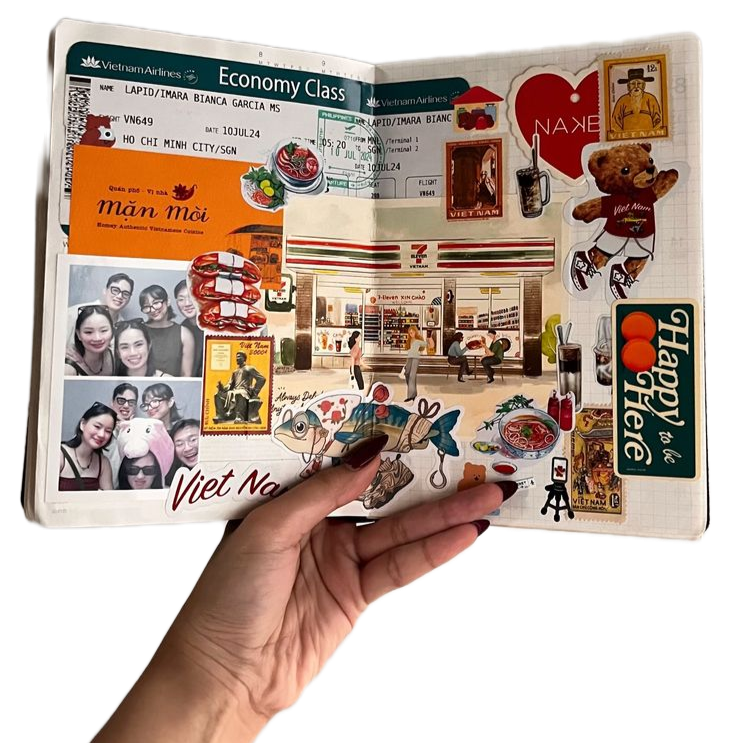
what do we crave most? genuine connections.
THE ‘LONELY GENERATION'IS TIRED OF BEING LONELYBecause our digital lives are so saturated, the ‘real world’ feels luxurious. We want to touch the fabric, smell the air, and exist in spaces with people that share our passions.
In-person shopping, third spaces, and experiences have never felt more essential - offering moments of human connection that AI and our algorithms cannot replicate. In-person turns the noise off. It adds to our memory bank. We can remember the smell of a specific store, the light through the window, and the song that made us want to linger longer. Reality has a quality that no amount of digital polish can match. And trust us, we know the difference.
Make no mistake, we won’t abandon our feeds. But now, we want our digital diet to feed us inspiration while the real meal is served offline.
75% would sacrifice ‘comfort’and ‘convenience’ to have a truly unique experience
WHERE GENUINE CONNECTIONS ARE ACTUALLY HAPPENING FOR US WHERE GENUINE CONNECTIONS ARE ACTUALLY HAPPENING FOR US 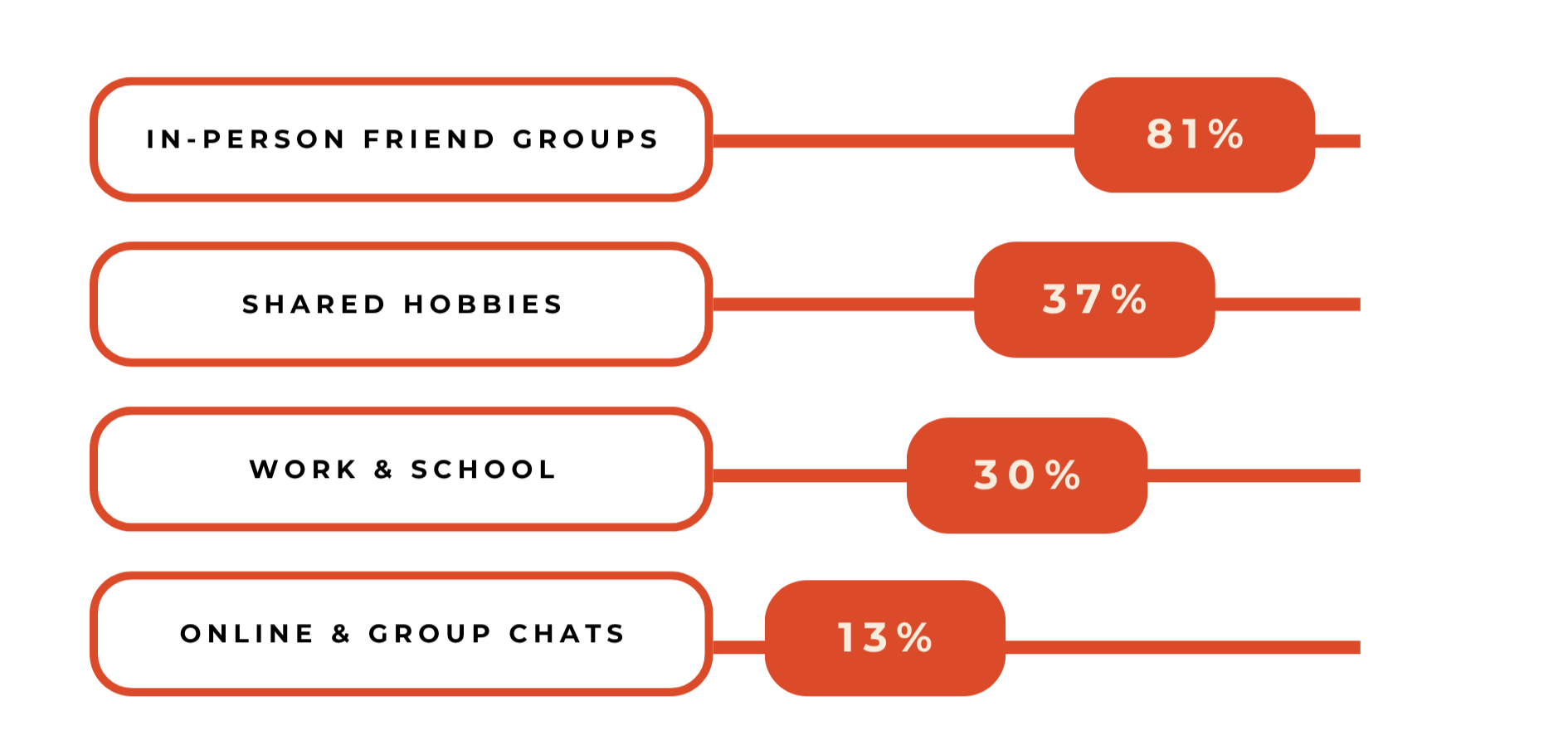
The truth is, we’re not coming to seek out brands. We’re looking for multi-sensory experiences first. And we want to be invited in. If your brand can create an environment that we feel compelled to live in, you’re giving us way more value than the product you’re selling: you’re giving us belonging.

“It can be lonely in such a connected world. People just want to find ways to bond like through yoga, run clubs, pickleball. People just want to feel part of something.”
— MIA, 21
if brands are only inviting us to be part of their world through our screens, they’ll miss out on us entirely.
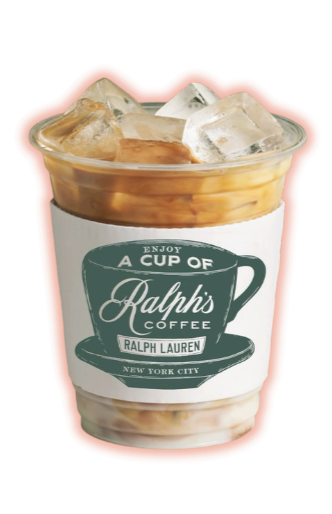

Get to know your consumers beyond their demographics.
Ensure your brand is doing more than just solving a problem or offering a new product. Participate in a feeling. Real joy comes from being specifically understood - that this brand, in this moment, made me feel something that wasn’t just for everyone. Prove that your brand actually sees these consumers by designing for their emotional state, not just for their assumed life stage or wallet.
This level of specificity requires knowing your consumers beyond age and income, to their desires and aspirations. A single joyful moment is a pleasant surprise. A consistent pattern of joyful experiences sparks the kind of genuine relationship this generation is desperately seeking.
Build your brand universe.
Gen Z/Alpha are already on the move towards spaces where they can feel something real - music festivals, farmers markets, unique travel excursions, sports competitions. These aren’t niche locations, they are places picked because they feel human. A brand that shows up here must be a genuine participant, adding to the experience, not extracting attention from it.
A brand universe is meant to be omnipresent. Online. Social. In person. Through your employees. And in their path.
In-person is where your brand is most honest. It can’t be performing an aesthetic. The product is what it is. The space feels how it feels. The store associates know their stuff, or they don’t. Demonstrating to Z/Alpha that your brand exists in the world they want to be in is everything.
Go back to brand truths.
Already inundated with ads and influencer posts, more content for Z/Alpha is really not the answer. It’s not about volume, or format, or platform. Feels contrary to GEO/AEO advice. The boom of the creator economy. We know.
What it actually requires? Brands to have internal truth and authentic ways to share it. Honesty about what your brand believes, stands for, and thinks about their consumers. Not what you want consumers to perceive about you. Strategic messaging and communication is going to get harder. Storytelling mediums must evolve and expand. The brands breaking through to this generation are almost always the ones where you can feel a human behind the work. Not AI guised as a persona, but an authentic, consistent, reliable connection.
The most informed generation isn’t waiting until they’re 25-30 to decide which brands they love, they’re deciding now.
Here’s what your brand can do to grow relevance with Z/Alpha:
want to know more about how your brand can meaningfully reach Z/Alpha?
reach out for a customized recommendation and strategy
show up where they’re going.
how will you create an environment they can’t wait to belong in?
don’t just create more content.
how will you break from the digital fatigue?
Build your brand universe.
Gen Z/Alpha are already on the move towards spaces where they can feel something real - music festivals, farmers markets, unique travel excursions, sports competitions. These aren’t niche locations, they are places picked because they feel human. A brand that shows up here must be a genuine participant, adding to the experience, not extracting attention from it.
A brand universe is meant to be omnipresent. Online. Social. In-person. Through your employees. And in consumers’ paths.
In-person is where your brand is most honest. It can’t be performing an aesthetic. The product is what it is. The space feels how it feels. The store associates know their stuff, or they don’t. Demonstrating to Z/Alpha that your brand exists in the world they want to be in is everything.
want to know more about how your brand can meaningfully reach Z/Alpha?
reach out for a customized recommendation and strategy.
so brands, what does this mean for you?
make joy the brief.
how will you deliver delight?

so brands, what does this mean for you?
The most informed generation isn’t waiting until they’re 25-30 to decide which brands they love, they’re deciding now.
Here’s what your brand can do to grow relevance with Z/Alpha:
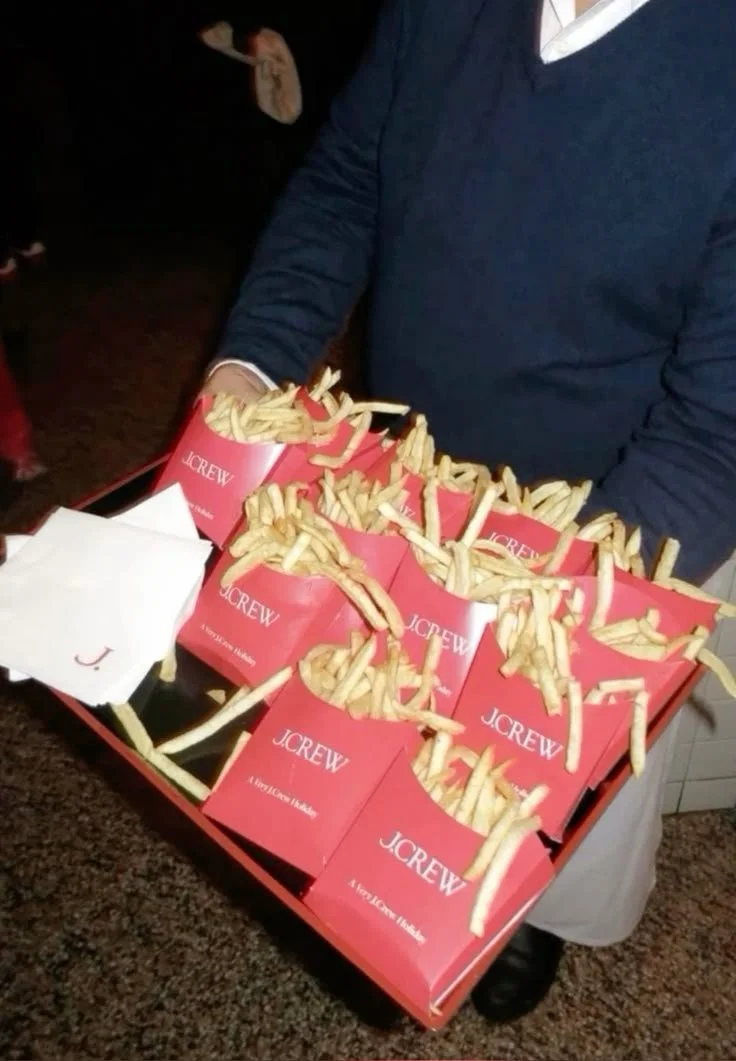
make joy the brief.
how will you deliver delight?
Get to know your consumers beyond their demographics.
Ensure your brand is doing more than just solving a problem or offering a new product. Participate in a feeling. Real joy comes from being specifically understood - that this brand, in this moment, made me feel something that wasn’t just for everyone. Prove that your brand actually sees these consumers by designing for their emotional state, not just for their assumed life stage or wallet.
That level of specificity requires knowing your consumers beyond age and income, to their desires and aspirations. A single joyful moment is a pleasant surprise. A consistent pattern of joyful experiences sparks the kind of genuine relationship this generation is desperately seeking.
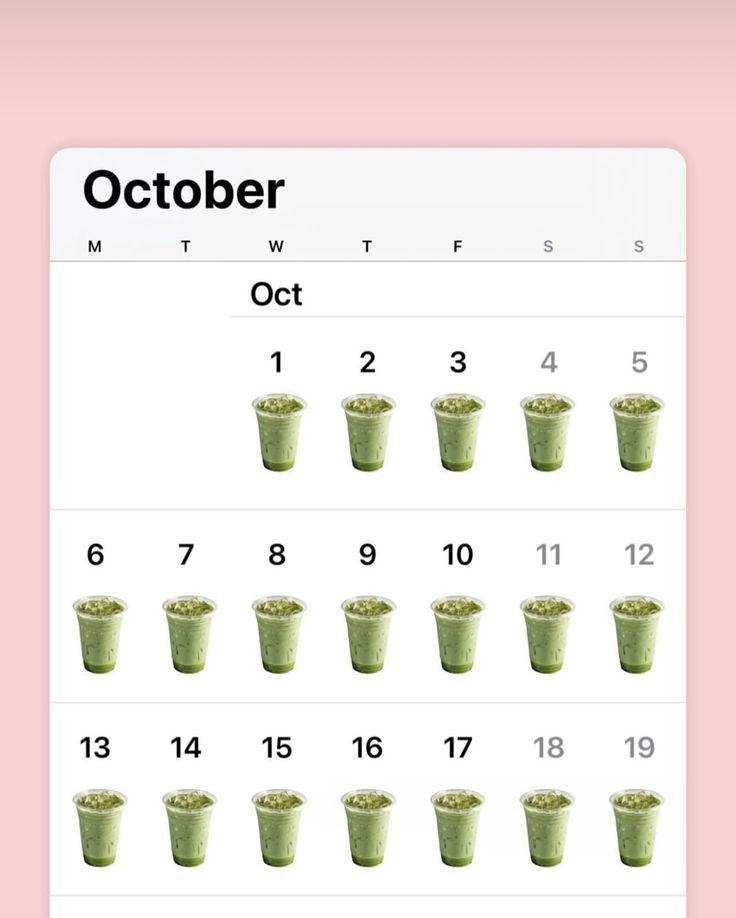
don’t just create more content.
how will you break from the digital fatigue?
Go back to brand truths.
Already inundated with ads and influencer posts, more content for Z/Alpha is really not the answer. It’s not about volume, or format, or platform. Feels contrary to GEO/AEO advice. And the boom of the creator economy. We know.
What it actually requires? Brands to have internal truth and authentic ways to share it. Honesty about what your brand believes, stands for, and thinks about their consumers. Not what you want consumers to perceive about you. Strategic messaging and communication is going to get harder. Storytelling mediums must evolve and expand. The brands breaking through to this generation are almost always the ones where you can feel a human behind the work. Not AI guised as a persona, but an authentic, consistent, reliable connection.
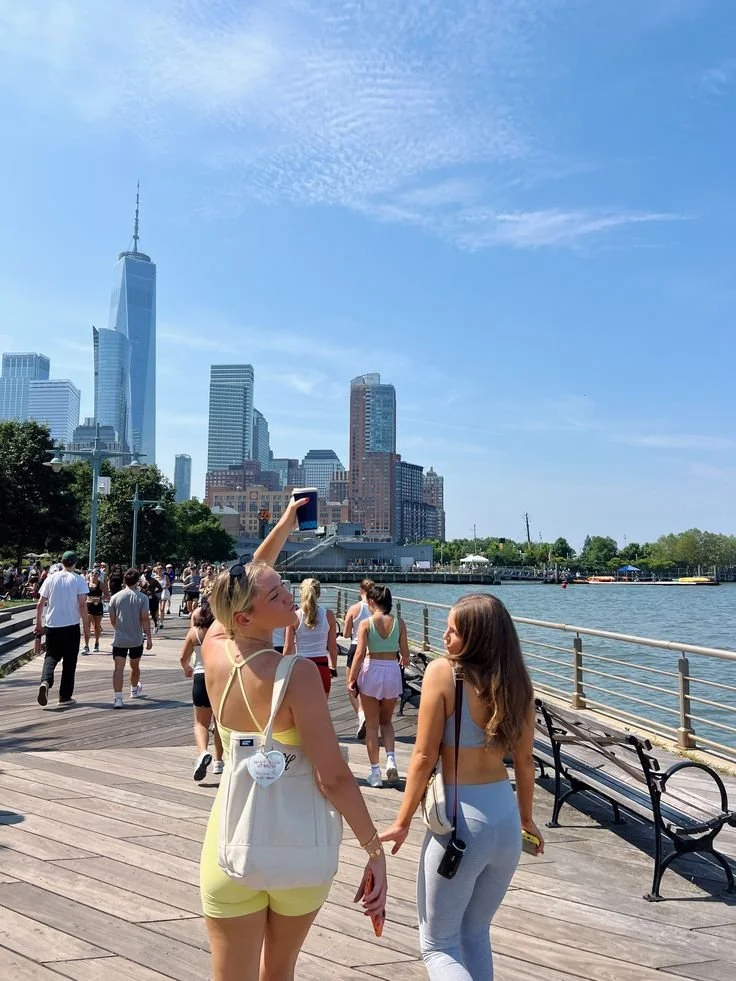
show up where they’re going.
how will you create an environment they can’t wait to belong in?
Co-authored by our Eluminary 2026 Winterns:
Gabriella Bañuelos (Lead), Taralyn Bailey, Erin Choi, Leesung Dang, Jayna Davenport, Michelle Julien, Esther Kim, Naomi Lee, Ethan Lin, Alexander Loos, Farrah Skorman